Surgical Gastroenterology
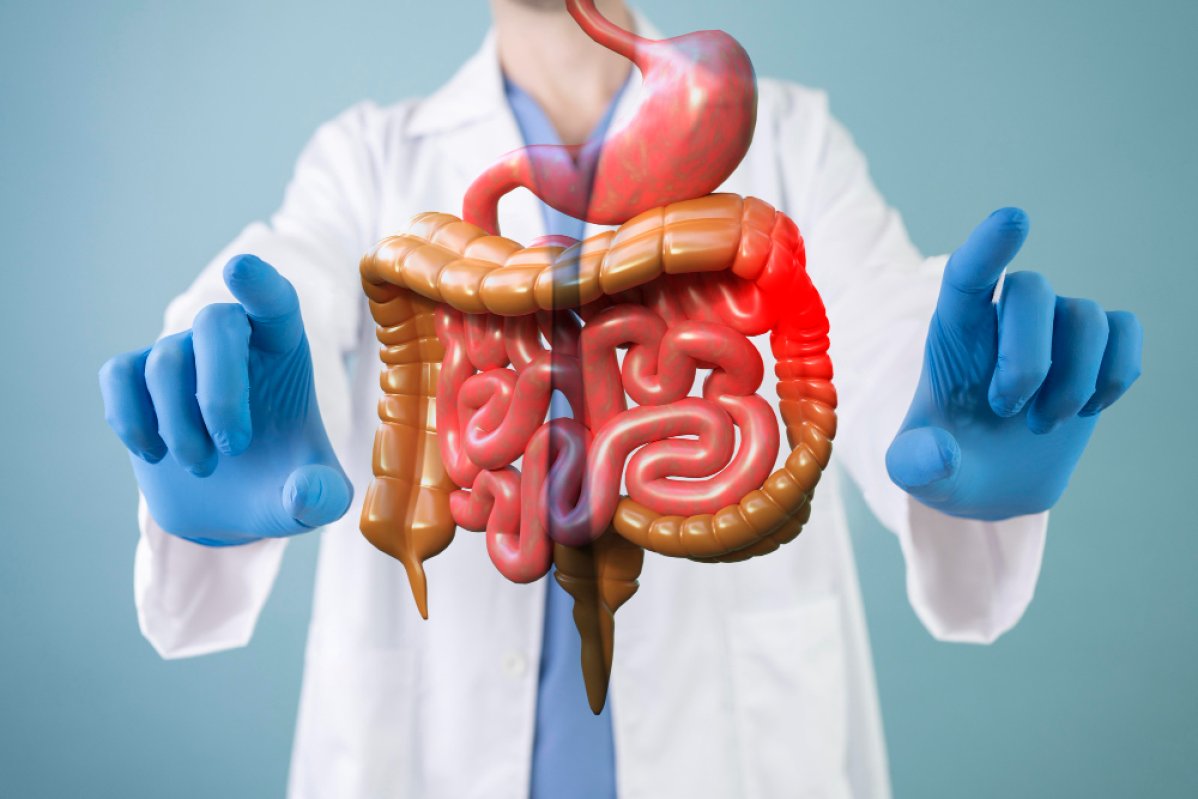
Digestive system diseases often develop imperceptibly; abdominal pain, postprandial heaviness, and indigestion can persist for months. However, situations can occasionally become critical, leading to acute conditions that require immediate intervention. This is when the surgical gastroenterology specialists at Mechnikov Hospital step in to provide expert care. The department provides care for patients with a wide range of stomach, bowel, liver, pancreatic, and gallbladder diseases, handling both emergency and elective cases. Our department combines years of experience, a strong scientific foundation, state-of-the-art equipment, and a genuine commitment to helping every patient.

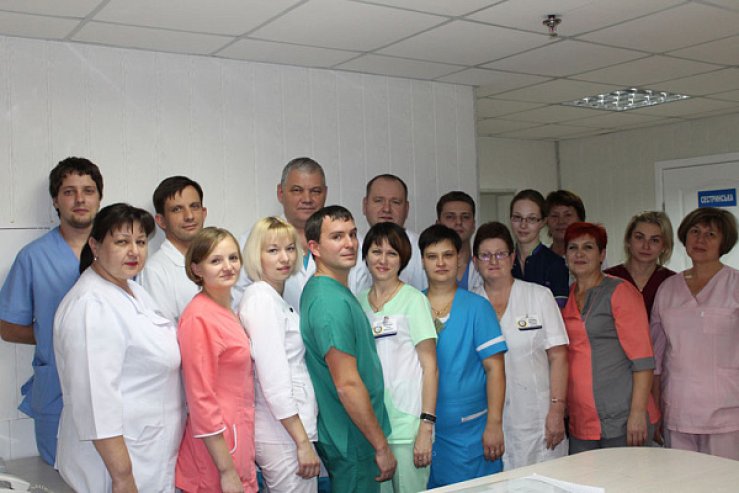
The team is led by highly experienced surgeons with European certification and over 20 years of clinical practice. Every surgery combines a scientific approach with years of practical experience.
Prior to surgery, patients undergo comprehensive examinations in the central clinical diagnostic laboratory, X-ray and ultrasound departments, as well as endoscopy and functional testing suites. This provides surgeons with a complete picture of the organ's condition before any intervention.
Each surgery is accompanied by a customized anesthesia plan. Anesthesiologists select the method taking into account the patient's age, comorbidities, and preferences.
We utilize world-class medical equipment and instruments from the US and the EU. This ensures precision, minimal surgical trauma, and rapid recovery.
The department collaborates closely with other hospital units: laboratories, intensive care units, physiotherapy, and rehabilitation departments. Patients receive comprehensive care at every stage — from diagnosis to full recovery.
For over 20 years, the hospital has been performing laparoscopic surgeries — a minimally invasive approach that allows for the treatment of complex abdominal diseases without large incisions, resulting in minimal pain and a fast recovery. The surgical team performs hundreds of procedures annually, including both emergency and elective interventions.
Expert Opinion
“Modern surgical gastroenterology is not just about surgery. It is about a comprehensive approach to every patient: accurate diagnostics, selecting the least traumatic method, and ensuring a fast recovery. Our goal is not simply to eliminate the problem, but to return the person to a life free of pain and fear,” — Head of the Thoracoabdominal Surgery and Transplantation Center, Vitaliy Anatoliyovich PELEKH.
Areas of Surgical Care
The department provides care for patients with a broad spectrum of surgical gastrointestinal pathologies. All interventions are performed using modern equipment, advanced anesthesia, and evidence-based medicine principles.
Emergency Surgical Care
Acute surgical conditions demand swift yet precise action. In these situations, physicians make split-second decisions, as the patient's life depends on it. Mechnikov Hospital provides emergency care for the following conditions:
- Perforated ulcer (a rupture in the stomach or duodenum requiring immediate surgery);
- Acute appendicitis;
- Strangulated hernia (when blood supply to the bowel is compromised);
- Bowel obstruction;
- Abdominal trauma and injuries;
- Acute pancreatitis (inflammation of the pancreas);
- Gastrointestinal bleeding;
- Peritonitis (inflammation of the peritoneum);
- Mesenteric thrombosis — a life-threatening condition leading to bowel necrosis.
Every patient receives comprehensive care — from initial stabilization to surgical intervention and subsequent rehabilitation.
Elective Gastrointestinal Surgery
All interventions are performed using advanced laparoscopic techniques, allowing surgeries to be conducted through a few small incisions. This results in minimal pain, faster healing, and the absence of large scars.
The primary pathologies treated in the department include:
- Gastric and duodenal peptic ulcer disease. In cases of complications, bleeding, or failure of conservative treatment, minimally invasive surgeries are performed to resect the affected area or arrest the bleeding.
- Hernias of various locations. Inguinal, femoral, umbilical, and incisional hernias are predominantly treated laparoscopically. This approach reinforces the abdominal wall with surgical mesh to prevent recurrence.
- Gallstone disease. One of the most common digestive system disorders. The department performs laparoscopic cholecystectomies — gallbladder removal through small incisions. If stones migrate into the bile ducts, a delicate endoscopic clearance is performed to restore normal bile flow.
- Pathologies of the liver, pancreas, and spleen. Cysts, benign tumors, and complicated forms of pancreatitis are managed both surgically and conservatively, depending on the extent of the disease. The primary goal is to preserve as much healthy organ tissue as possible.
- Tumors of the stomach, bowel, and pancreas. Surgeons perform resective and reconstructive procedures using modern technologies that increase the chances of a full recovery following oncological treatment.
Laparoscopic Surgery — The Modern Standard
Laparoscopy is a surgical technique performed without a large incision, utilizing several small puncture holes. A camera is inserted into the cavity, transmitting a highly magnified image to a monitor. This allows the surgeon to view the internal structures with pinpoint accuracy.
The benefits for the patient are clear:
- Reduced postoperative pain;
- Shorter hospital stay;
- Quicker return to normal activities;
- Minimal cosmetic scarring.
At Mechnikov Hospital, surgical gastroenterology is more than just a set of techniques. It is a philosophy of teamwork based on respect for the patient and a genuine desire to help. Every day, lives are saved, pain is alleviated, and people regain the ability to enjoy their normal routines. If you are experiencing digestive system issues, do not delay seeking medical attention — modern medicine can help even in the most complex cases.