Department of Vertebroneurology and Peripheral Nervous System
Back and neck pain, numbness in the arms or legs, shooting pain during movement, a "pins and needles" sensation, or weakness in the limbs often seem like "just osteochondrosis" or the result of fatigue. People get used to the discomfort, postpone a visit to the doctor, take painkillers, and live with the thought that "everyone has it." However, these symptoms can mask serious changes in the spine and peripheral nervous system, which, if left untreated, progress and gradually limit mobility, ability to work, and quality of life.
The Department of Vertebroneurology and Peripheral Nervous System at Mechnikov Hospital has been operating since 1996. We help people with neurological complications of osteochondrosis, herniated discs, radiculopathy, entrapment neuropathies, and other peripheral nerve disorders. Our goal is not merely to temporarily relieve pain, but to find its root cause, address it, and restore the patient's freedom of movement.
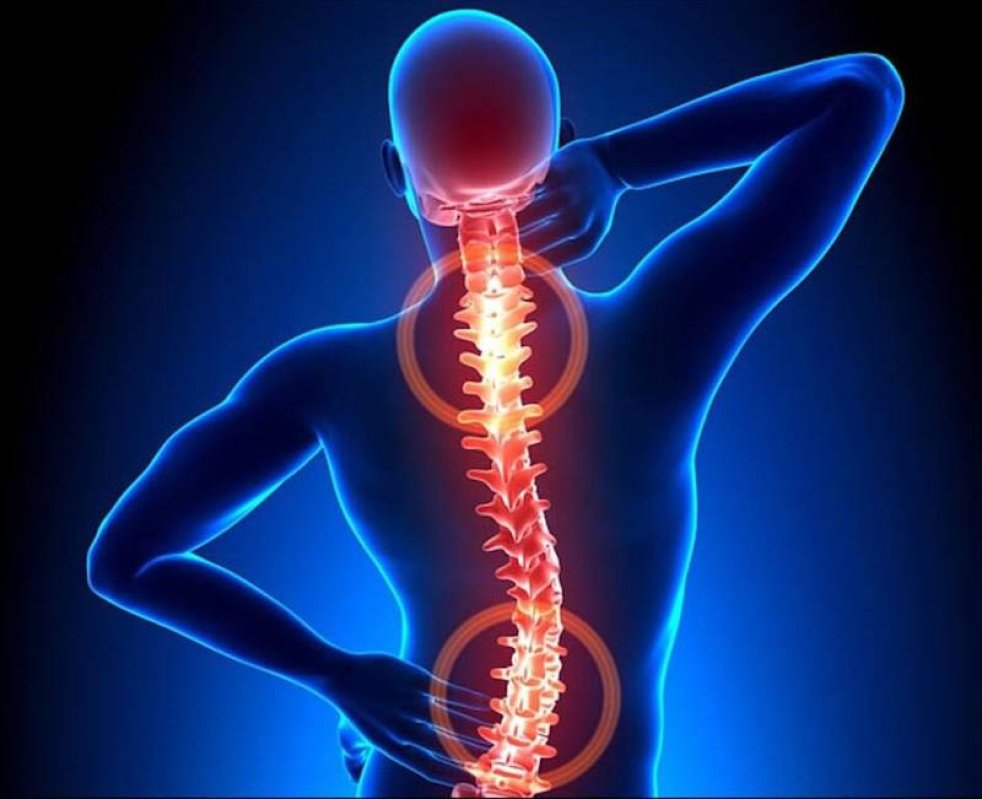
"Today, back and neck pain is one of the most common reasons for visiting a neurologist. But it is important to understand: not all pain is the same. In some cases, it is muscle tension; in others, it is a herniated disc compressing a nerve; and in still others, it is a peripheral nerve lesion with severe neuropathic pain. Differentiating these conditions without specialized diagnostics is impossible.
Our task is not merely to prescribe painkillers, but to establish a specific diagnosis: exactly where and at what level the nerve structure is affected, whether conservative treatment is needed, or if it is time to discuss surgical intervention together with spinal surgeons. It is this accurate diagnosis and a consistent, step-by-step approach that allow us to not just 'extinguish' the symptom, but to work with the root cause of the pain. In this way, we can prevent the chronification of the condition, reduce the risk of permanent neurological deficits, and restore a person's active lifestyle."

We focus specifically on the pathology of the spine and peripheral nervous system. This narrow profile allows us to accumulate experience in complex clinical cases and offer patients modern, evidence-based solutions.
The department employs top-category neurologists and doctors with extensive experience. The head of the department holds an academic degree, emphasizing the combination of practical experience with a scientific approach.
We work closely with the spinal surgery department, rehabilitation service, functional diagnostics, and the laboratory. This allows us to quickly make decisions regarding treatment strategy—from conservative therapy to surgical interventions, if necessary.
Pharmacotherapy is combined with physiotherapy, massage, physical therapy, and rehabilitation programs. This approach enables us to simultaneously target several aspects of the pathological process.
Every month, about 150 inpatients are treated in our department. This means we have extensive experience, established pathways, and a solid understanding of which solutions are most effective in real clinical practice.
What We Treat
Our department specializes in:
- Peripheral nervous system pathologies.
- Neurological complications of spinal diseases.
We admit patients with conditions such as:
- radiculopathy associated with osteochondrosis and herniated discs;
- cervical and lumbar pain syndromes with neurological manifestations;
- entrapment neuropathies (e.g., carpal tunnel syndrome);
- compressive-ischemic nerve lesions;
- consequences of spinal injuries with neurological symptoms;
- neuralgia, neuropathic pain, etc.
We provide both inpatient care and consultative support to patients referred by outpatient physicians. If necessary, a person can undergo examinations and receive certain types of therapeutic procedures on an outpatient basis, without a prolonged hospital stay.
Symptoms That Require Medical Attention
Patients often come to us after a long period of "enduring" the pain. Back or neck pain may interfere with sleep, work, and family care, yet a person continues to postpone a doctor's visit until the condition becomes unbearable.
We advise against waiting for an exacerbation and recommend seeking help if you experience the following symptoms:
- constant or recurring pain in the back, neck, or between the shoulder blades;
- shooting pain in the arm or leg that worsens with movement, coughing, or bending over;
- numbness, tingling, or a "pins and needles" sensation in the limbs;
- muscle weakness in the arm or leg, a feeling that "the limb gives way";
- restricted movement in the back or neck, a feeling of stiffness;
- increased pain after physical exertion or prolonged sitting;
- impaired fine motor skills, clumsiness when performing precise movements.
These symptoms can indicate either the initial stages of vertebroneurological disorders or already established complications. At any stage, it is best to avoid self-medication and undergo an examination by a specialist who can assess your neurological status and propose the optimal approach.
Diagnostics
The quality of treatment directly depends on the accuracy of the diagnosis. In our department, we utilize the full diagnostic capabilities of Mechnikov Hospital. This allows us to go beyond clinical examination and objectively assess the condition of the spine, nerves, and muscles.
Patients may be prescribed:
- MRI or CT of the corresponding spinal segment to evaluate discs, canals, and nerve roots;
- X-ray, if initial visualization is required;
- electrophysiological studies (if necessary, in collaboration with the functional diagnostics department);
- laboratory tests to rule out inflammatory, metabolic, and other causes of pain;
- consultations with spinal surgeons, rehabilitation specialists, and other related experts.
We work closely with the spinal surgery department, rehabilitation units, functional diagnostics, and the laboratory. This collaboration allows us to build a logical diagnostic pathway: from the initial examination to the decision on conservative or surgical treatment.
Treatment: A Comprehensive Approach
The goal of treatment in the Department of Vertebroneurology and Peripheral Nervous System is to reduce pain, restore function, and prevent relapses and the chronification of the process. We combine pharmacological and non-pharmacological methods, tailoring them individually.
Treatment in our department is comprehensive and adapted to the needs of each patient. We utilize:
- pharmacotherapy to reduce inflammation, pain, and swelling of the nerve roots, improve blood circulation in the affected area, and address the neuropathic component of pain;
- physiotherapy to reduce pain, relax overstrained muscles, improve microcirculation, and accelerate tissue recovery;
- physical therapy aimed at strengthening the core muscles, restoring range of motion, improving posture, and developing proper movement patterns;
- massage as an element of comprehensive therapy to relieve muscle spasms, improve blood flow, and reduce feelings of stiffness.
The combination of these methods not only alleviates the condition during the acute phase but also lays the foundation for lasting results. We explain to our patients that treatment is always a process that requires their active participation: doing exercises, following recommendations, and changing certain daily habits.
Care Formats and Observation
Patients can receive care both on an inpatient and outpatient basis. Inpatient treatment is particularly relevant for severe pain, neurological deficits, the need for intensive care, or a combination of several treatment modalities.
Outpatient visits are available for specific procedures, follow-up examinations, or treatment adjustments. Patients can attend consultations by referral and receive prescribed treatments (e.g., physiotherapy, massage) without the need for a round-the-clock hospital stay.
After discharge, we maintain contact with our patients: if necessary, we coordinate further treatment with outpatient physicians, recommend follow-up checkups, and adjust the rehabilitation plan.
Patient Accommodations
The department offers several types of wards with varying numbers of beds, allowing for optimal placement of patients depending on their condition and needs. Care, meals, and monitoring are provided by medical staff in accordance with approved staffing and protocols.
Relatives have the opportunity to visit the patient, which is an important component of psychological comfort and motivation for recovery. The entire team works to ensure that the hospital stay is not only medically effective but also as peaceful and understandable for the patient as possible.
Recommendations for Patients
Back or neck pain, numbness, or weakness in the limbs is not normal and is not an inevitable "companion of age" or computer work. The earlier diagnostics and treatment are initiated, the greater the chances of avoiding chronic pain, persistent neurological impairment, and restricted mobility.
We recommend:
- do not ignore symptoms that recur or worsen;
- do not self-medicate with strong painkillers without a confirmed diagnosis;
- consult a neurologist if you experience numbness, weakness, or shooting pain in the limbs;
- follow recommendations for physical therapy and preventive exercises;
- maintain contact with your doctor even after being discharged from the hospital.
We are here to help you understand the causes of your pain, undergo the necessary diagnostics, and receive treatment that not only relieves symptoms but also targets their source. Do not postpone seeking help—the sooner you arrive, the simpler and more effective your path to restoring mobility and quality of life can be!