Department of Multiple Sclerosis, Autoimmune, and Inflammatory Neurological Diseases
When facing suspected serious neurological conditions like multiple sclerosis, myasthenia gravis, or inflammatory polyneuropathy, it is natural to experience anxiety and have many questions. In such situations, it is crucial to have doctors by your side who can clearly explain each step, establish an accurate diagnosis, and prescribe disease-modifying therapies. This is exactly how our team operates at the Department of Multiple Sclerosis, Autoimmune, and Inflammatory Neurological Diseases.
For many years, we have been helping patients facing the most complex neurological disorders. In October 2025, the Center for Critical Neurological Disorders was established on the basis of the General Neurology Department. It comprises two highly specialized units, including our department. Today, our patients receive more than just medical treatment; they are provided with comprehensive support, from the initial consultation through stabilization and long-term follow-up.
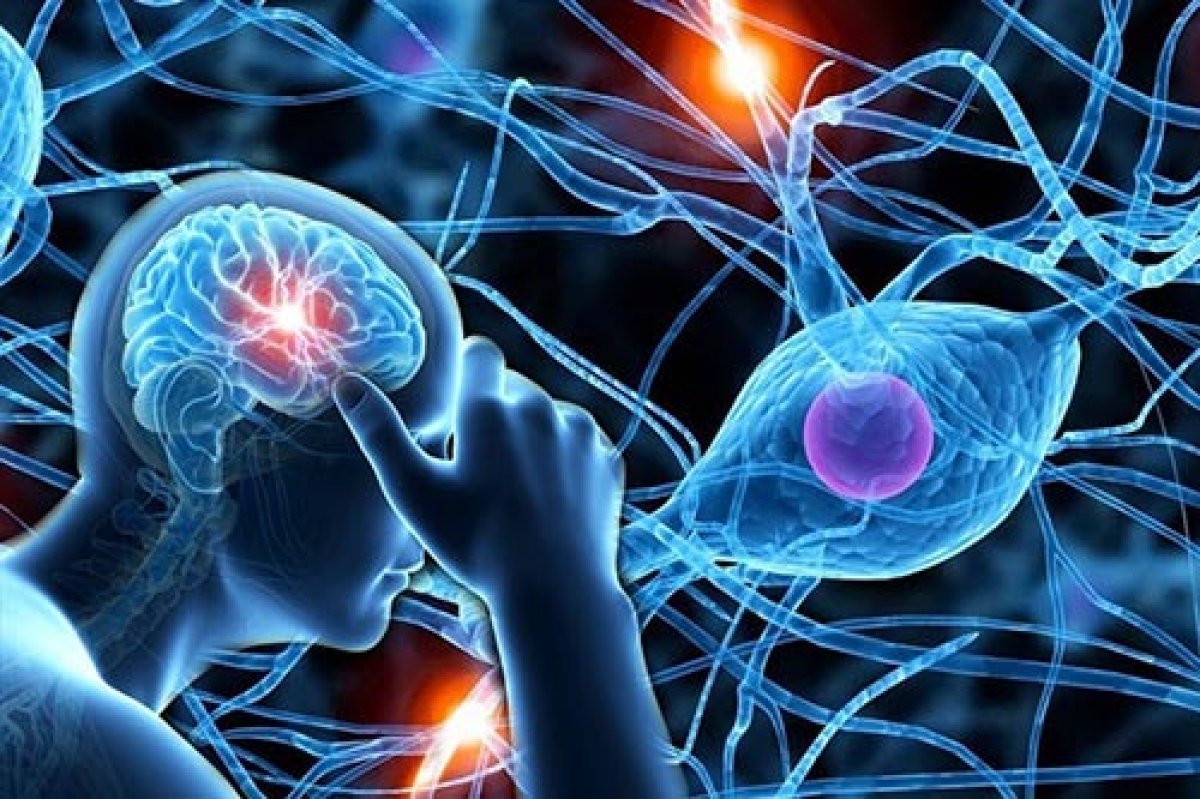
"In recent years, the treatment of multiple sclerosis has taken a colossal step forward. Modern immunotherapies allow us not just to manage the disease, but to fundamentally alter its course. With the advent of monoclonal antibodies and high-efficacy therapies, we now have the ability to suppress brain lesion activity even before new symptoms appear. This means that with timely intervention, patients can live for years without relapses, preserving their mobility, ability to work, and active lifestyle. Early intervention has become paramount—the sooner we initiate therapy, the more effectively we can halt the progression of demyelination. It is this proactive approach that allows us to achieve sustained remission and help our patients live life on their own terms, rather than those dictated by the disease."
We treat over 500 patients with multiple sclerosis, more than 100 with myasthenia gravis, and over 300 with various forms of polyneuropathies annually.
MRI, CT, ENMG, ultrasound, comprehensive lab panels, and consultations with allied specialists—all available without the need to visit multiple facilities.
Monoclonal antibodies, immunoglobulins, plasmapheresis, corticosteroids, and comprehensive rehabilitation—our treatments strictly adhere to current international medical protocols.
Board-certified specialists and medical researchers operating within a multidisciplinary team approach.
Close collaboration with the intensive care unit (ICU),rehabilitation centers, and the emergency department ensures uninterrupted, round-the-clock care for critically ill patients.
After discharge, patients remain under expert supervision, allowing us to prevent relapses and make timely treatment adjustments.
Kinesitherapy, massage, physiotherapy, and magnetotherapy facilitate the rapid restoration of nervous system functions.
9 wards with a total of 45 beds, including private, superior comfort rooms.
The department actively participates in clinical trials and the implementation of cutting-edge practices, continually enhancing treatment efficacy.
Conditions We Treat
Our department provides care for patients with various autoimmune and inflammatory lesions of the nervous system. The most common conditions we treat include:
- multiple sclerosis;
- myasthenia gravis;
- acute and chronic inflammatory polyneuropathies;
- encephalitis and meningitis;
- encephalomyelitis.
Each of these diseases has its own specific features and clinical course. For instance, multiple sclerosis can manifest as limb weakness, vision loss, or impaired coordination and sensation. Myasthenia gravis causes muscle fatigue that worsens throughout the day. Polyneuropathies are accompanied by pain, burning sensations, numbness, and gait disturbances. Encephalitis can present with altered states of consciousness and seizures.
We explain every symptom to our patients in plain language, helping them understand how the nervous system works, why these conditions occur, and what their treatment journey will look like.
Symptoms Not to Ignore
Patients often postpone medical consultations, assuming that weakness or numbness will resolve on its own. However, autoimmune and inflammatory processes can progress rapidly, making early intervention critical. Red flag symptoms include:
- sudden weakness in the arms or legs;
- loss of balance or gait disturbances;
- decreased visual acuity;
- numbness, tingling, or a "pins and needles" sensation;
- double vision (diplopia);
- sudden headaches, behavioral or memory changes;
- seizures.
If these symptoms appear for the first time or worsen, you should consult a neurologist as soon as possible. Our department is staffed by highly experienced specialists skilled in managing both typical cases and rare, complex disease presentations.
Diagnostics
We utilize a full spectrum of modern diagnostic modalities to establish an accurate diagnosis. Our hospital offers:
- MRI and CT scans;
- electroneuromyography (ENMG);
- ultrasound of the nervous and muscular systems;
- 24-hour continuous monitoring;
- advanced laboratory testing;
- consultations with allied specialists;
- telemedicine multidisciplinary case reviews for complex cases.
Diagnostics are always tailored to the individual: some require comprehensive immunological profiling, others need electrophysiological assessment of nerve function, while some may need MRI visualization of inflammatory processes. We explain to our patients that every diagnostic test has a specific purpose. For example, an MRI can reveal demyelinating lesions in multiple sclerosis, whereas ENMG measures how effectively nerves conduct electrical signals. This approach allows us to pinpoint the underlying cause of the condition and select the most optimal treatment plan.
Treatment: Modern Techniques and Personalized Approach
Our specialists employ therapies whose efficacy is validated by international medical protocols:
- monoclonal antibodies;
- corticosteroids;
- plasmapheresis;
- intravenous immunoglobulins (IVIG);
- enzyme replacement therapy;
- antibiotic therapy;
- physical therapy (kinesitherapy);
- dietary therapy;
- physiotherapy.
Treatment is customized according to the diagnosis, disease stage, and individual patient characteristics. We assess not only the current clinical status but also the risk of disease progression, potential for relapse, and any comorbidities.
Following discharge, patients remain under clinical observation at our outpatient clinic or via telemedicine consultations. This enables us to make timely adjustments to their therapy and maintain long-term stabilization.
Hospital Stay and Accommodations
Our department features 9 wards with a total of 45 beds, including private, superior comfort rooms. Patients can rest assured that their stay in our inpatient facility will be calm and safe. Relatives are welcome to visit, as family support is vital for successful recovery. Patients can also undergo specific procedures and follow-up examinations on an outpatient basis, without the need for an overnight hospital stay.
Our staff strictly adhere to approved care protocols and internal departmental regulations in compliance with Order No. 460. This guarantees streamlined processes, timely monitoring, and continuous oversight of patient well-being.
Recommendations for Patients
If you experience any changes in sensation, muscle strength, vision, or consciousness, it is critical not to delay a visit to a neurologist. Autoimmune processes can progress rapidly, but timely treatment can restore symptom control and significantly improve your quality of life.
After discharge, it is essential to follow medical advice, attend follow-up checkups, and stay in touch with your doctor. Regular monitoring helps to adjust therapy promptly and prevent exacerbations.
We know how difficult it is to remain calm when facing a suspected serious neurological disorder. But you do not have to walk this path alone. In our department, you will receive clear answers, accurate diagnostics, and disease-modifying treatments. We manage the most complex cases every day and know exactly how to halt disease progression, stabilize your condition, and help you regain control of your life!