Department of Neurodegenerative and Orphan Diseases of the Nervous System
Neurodegenerative and orphan diseases of the nervous system often begin with subtle changes in behavior or movement: routine tasks take longer, steps become less steady, and thoughts are not as sharp as they used to be. Families may attribute this to age or fatigue, and the individuals themselves to a fast-paced lifestyle. However, the internal feeling that something is changing grows stronger over time. This is when the need for professional answers arises. Our department was created exactly for such situations. Here, patients receive not only medical care but also the reassurance that uncertainty can be overcome with a team that knows the right path forward. We manage progressive and rare diseases requiring long-term follow-up, precise diagnostic decisions, and carefully tailored therapy. Based on the General Neurology Department, which has been operating since 1991, the Center for Critical Neurological Disorders was established in 2025. This is a modern facility for patients who require a comprehensive and in-depth approach.
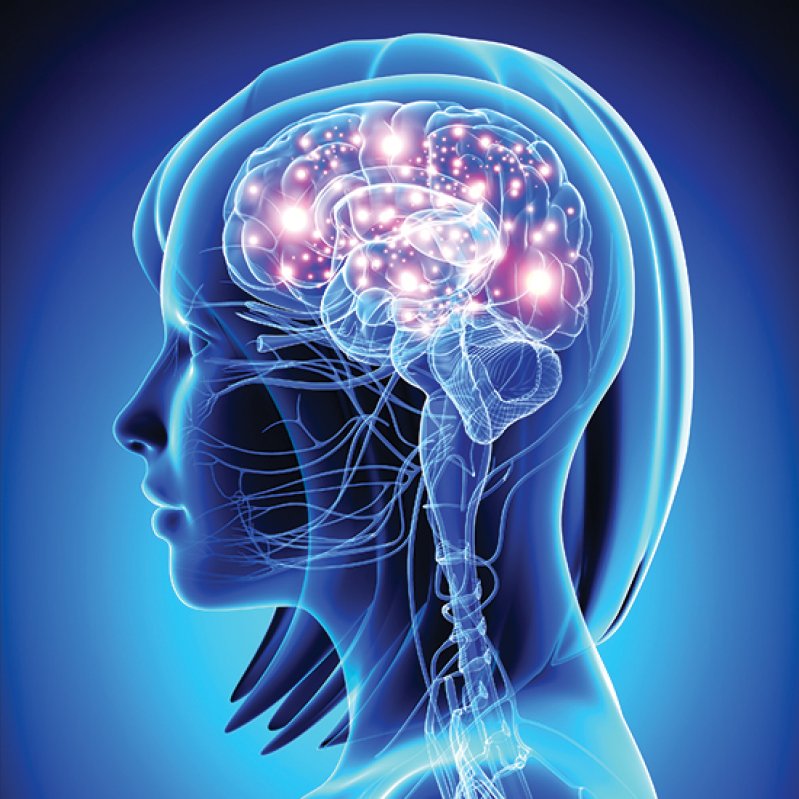
"In the field of neurodegenerative and orphan diseases, modern medicine is no longer limited to diagnosis and supportive care. Recent years have brought possibilities that seemed unattainable not long ago—enzyme replacement therapies for rare metabolic diseases, highly accurate instrumental assessments of brain structures, and rehabilitation programs that genuinely slow functional decline. Patients can lead more active lives, maintain their independence longer, and, most importantly, have a better outlook.
The physician's key role is to see beyond the symptom to the clinical dynamics, family context, and the patient's emotional well-being. A comprehensive approach allows us to adapt treatment to specific needs: some require management of motor impairments, others need cognitive support, and some need specialized enzyme therapy. It is the patient's individuality that determines how we chart their treatment path."
We manage a broad spectrum of neurodegenerative and genetic pathologies. Patients with Parkinson's disease, dementias, motor neuron disease, spinal muscular atrophies, Fabry, or Pompe disease receive long-term, systemic care with us.
The department provides ongoing treatment for patients requiring regular infusions of enzyme replacement therapies. These are complex treatment regimens that demand strict monitoring and extensive experience.
MRI, CT, ENMG, laboratory panels, metabolic studies, and consultations with related specialists are all available without the need to visit other institutions.
Our department is staffed by highly experienced neurologists, functional diagnostics experts, nurses, and specialists in physical therapy and rehabilitation. A multidisciplinary team approach ensures that all aspects of the patient's condition are addressed.
This ensures continuity of care, even in the event of a sudden deterioration in health.
Patients can receive online consultations, offering convenience for chronic conditions.
The department features 9 wards with 44 beds, including single superior comfort rooms.
Conditions We Treat
We manage a wide spectrum of neurodegenerative and orphan pathologies, including:
- Parkinson's disease;
- Lewy body dementia;
- Alzheimer's disease;
- Motor neuron disease;
- Spinal muscular atrophies;
- Fabry disease;
- Pompe disease;
- Other genetic and metabolic disorders.
Each of these conditions has its own clinical course, rate of progression, and treatment requirements. We educate patients and their families on what to expect from therapy, how to adapt their lifestyle, and what steps will help maintain independence.
Signs to Look Out For
Early symptoms may be subtle, but seeking medical attention early can help slow the progression of the disease. Possible signs include:
- Gait changes, slowness of movement;
- Tremor or involuntary movements;
- Difficulty with concentration or memory;
- Apathy, behavioral changes;
- Muscle weakness or atrophy;
- Frequent falls;
- Autonomic dysfunction.
Any changes from a person's baseline condition warrant a medical consultation.
Diagnostics
Diagnosing neurodegenerative and orphan diseases requires precision and a multi-tiered approach. We utilize:
- Magnetic resonance imaging (MRI);
- Computed tomography (CT);
- Electroneuromyography (ENMG);
- Ultrasound (US);
- Laboratory and metabolic panels;
- Consultations with related specialists;
- Multidisciplinary case reviews for complex cases;
- Telemedicine.
Each diagnostic pathway is tailored individually, taking into account clinical manifestations, patient age, genetic risk, and comorbidities.
Treatment
Treatment in our department is comprehensive and adapted to the needs of each patient. We employ:
- Enzyme replacement therapy – used to compensate for specific enzyme deficiencies, slowing the progression of orphan metabolic diseases.
- Immunosuppressive therapies – aimed at reducing immune system overactivity and protecting nerve tissue from further damage.
- Immunoglobulins – administered to normalize the immune response and reduce inflammation, particularly during exacerbations.
- Glucocorticosteroids – used to rapidly reduce inflammation and edema, helping to stabilize the patient's condition.
- Plasmapheresis – a blood purification method that removes pathological antibodies and toxic proteins, improving outcomes in severe exacerbations.
- Pharmacological regimens for motor and cognitive impairment – help alleviate tremor, improve gait, concentration, memory, and other functions.
- Physical therapy – applied to reduce pain, improve blood circulation, and accelerate the recovery of muscles and nerve structures.
- Therapeutic exercise – focused on maintaining strength, balance, coordination, and daily independence.
- Diet therapy – involves nutritional adjustments to support metabolism and reduce the risk of exacerbations.
Crucially, treatment is not limited to medication. We place significant emphasis on rehabilitation, which helps preserve function and slow symptom progression. Following inpatient care, we provide ongoing outpatient and remote monitoring.
Patient Accommodations
Our department is fully equipped to ensure a comfortable and safe stay. Patients are accommodated in 9 wards with a total capacity of 44 beds, with options for superior comfort rooms.
Nursing care is organized in accordance with Order No. 460, which includes functional status assessment, monitoring of clinical changes, and a strict departmental routine.
Family visits are permitted, and certain procedures can be performed on an outpatient basis without the need for hospitalization.
Therefore, if you notice changes in movement, memory, behavior, or other persistent neurological symptoms in yourself or your loved ones, it is crucial not to delay seeking help. Neurodegenerative and orphan diseases develop gradually, but modern medicine has tools to slow progression and preserve quality of life. Regular monitoring, treatment adjustments, family support, and a personalized rehabilitation program help patients remain independent for as long as possible!