Nuclear Medicine
Modern medicine is developing extremely rapidly. Today, it is important not only to observe changes in an organ but also to understand how it functions at the cellular level. This is exactly what nuclear medicine methods are used for. This is a type of diagnostic imaging that allows for the detection of diseases even before the onset of overt symptoms, when other methods may be uninformative.
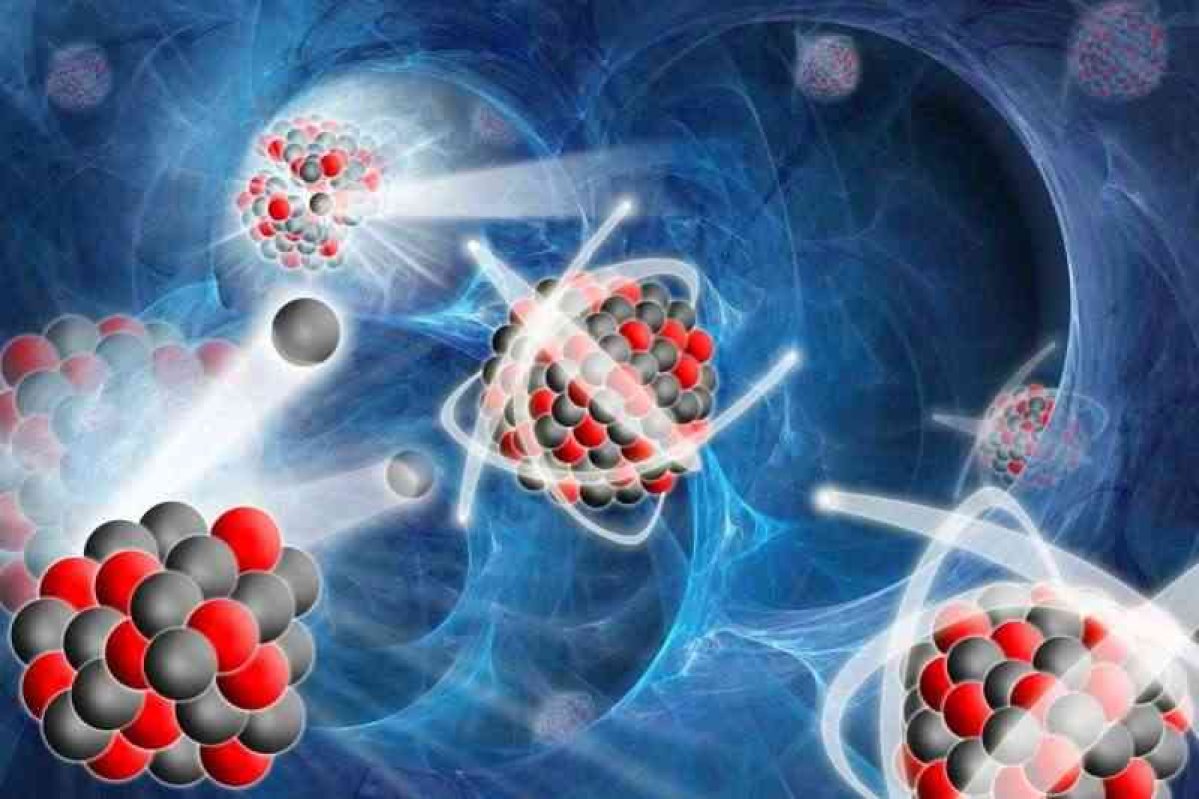

The method allows for the visualization of pathological processes even before the onset of clinical symptoms. This makes it possible to initiate treatment much earlier and increases its effectiveness.
The radiation dose is 100 times lower than that of a conventional X-ray, making the examination safe even for debilitated patients.
Unlike most imaging modalities that only show the structure of an organ, radionuclide diagnostics allow for the assessment of its function.
Within a single department, a patient can undergo diagnostics and, if necessary, receive treatment.
The department is licensed, equipped with state-of-the-art technology, and operates according to international standards, with patients under the supervision of highly experienced physicians.
The patient is administered a special substance containing a radionuclide tailored individually to a specific organ or tissue. This radionuclide emits gamma quanta, which are detected by advanced equipment. It is important to emphasize that the radiation exposure is 100 times lower than during a conventional X-ray. This makes the method safe even for debilitated patients. As a result, the physician obtains images reflecting not only the structure of the organ (as with ultrasound or MRI) but also its functioning at the molecular level. Due to this, pathological processes can be detected 6–9 months earlier than with other imaging modalities. The earlier the diagnosis is established, the higher the chances of successful treatment.
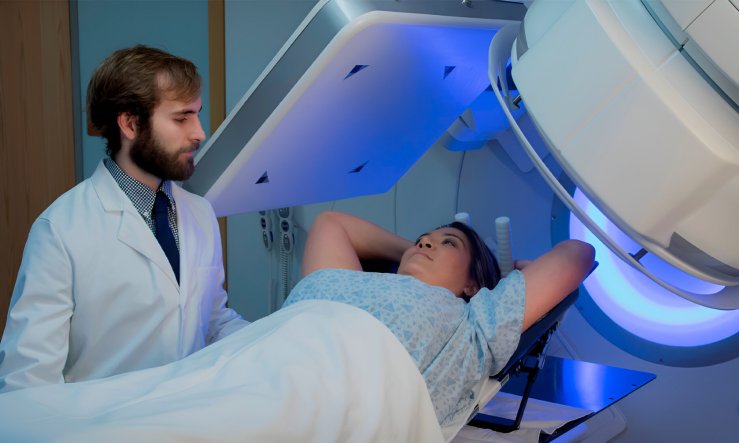
Radionuclide studies are far from being available in all medical institutions. The reason is simple: conducting them requires complex equipment, highly qualified nuclear medicine physicians, and a special license from the State Nuclear Regulatory Inspectorate. Our hospital has everything necessary: a certified department, state-of-the-art equipment, and a team of experienced specialists.
Advanced radionuclide techniques are utilized, enabling the detection of even latent diseases at an early stage.
Radionuclides are used not only for diagnostics but also for treatment. Such an approach allows for a highly targeted and effective impact on the pathological process.
Expert Opinion
“Nuclear medicine allows us to see more than any other examination. While ultrasound or MRI only show the structure of an organ, radionuclide techniques reveal its function at the cellular level. We can detect a disease when there are no symptoms yet and start treatment in a timely manner. This significantly increases the effectiveness of therapy and gives the patient a chance to avoid serious complications. The main thing is not to delay diagnostics, as every month can be crucial.”