Purulent Surgery
Purulent-septic diseases are not just local inflammations, but often life-threatening conditions. They can develop after injuries, surgeries, or even minor skin lesions if an infection enters the tissues. In 2003, a comprehensive purulent surgery center was established at our hospital, encompassing an outpatient clinic, a 60-bed surgical department, and a 12-bed intensive care unit. This structure enables us to provide a full spectrum of care, from initial consultation to the intensive treatment of complex septic conditions. Today, it is known as the V.F. VOINO-YASENETSKY CENTER FOR COMPLICATION SURGERY.
- a safe method that allows visualization of fluid collections, abscesses, or phlegmons in soft tissues.
- creates cross-sectional images of internal structures. It is particularly valuable in diagnosing intra-abdominal abscesses or pancreatic necrosis.
- fistulography (to map sinus tracts),irrigoscopy, angiography, and tomography.
- helps detect “hot spots” of inflammation in the early stages, even before external symptoms become visible.
- allows the physician to assess tissue viability, which is crucial prior to plastic surgeries.
- (gastroscopy, colonoscopy, endoscopic retrograde cholangiopancreatography [ERCP]) enable the detection of lesions in mucous membranes and internal organs.
- analysis of gas, protein, and acid-base metabolism, as well as immune system parameters, which is essential for accurate treatment selection in a purulent-septic intensive care setting.

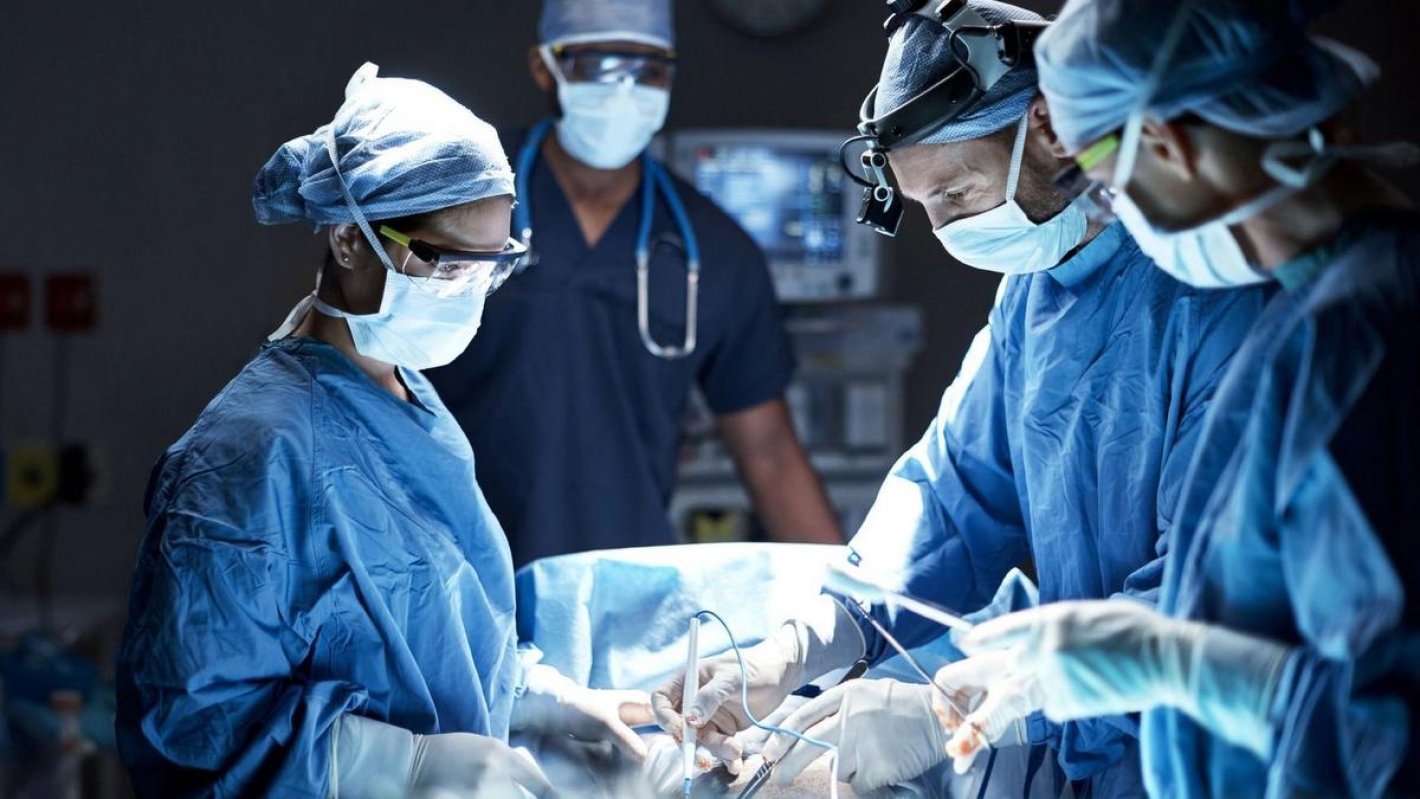
Our surgeons possess extensive practical experience and specialized training specifically in purulent-septic surgery. Continuous interdepartmental consultations (with intensive care, traumatology, and endoscopy) ensure a multidisciplinary team approach to every case.
Our practice utilizes digital tomographs, high-resolution ultrasound systems, laser units for wound debridement, thermal imagers, Doppler devices, and VAC therapy systems.
All interventions are performed in accordance with international protocols. During surgeries, antibiotic resistance levels, anesthetic dosing, and the patient's hemodynamic status are meticulously monitored.
The inpatient facility is designed for rapid recovery, featuring spacious 1- to 2-person wards, 24/7 nursing care, consultations with allied specialists, and access to psychological support.
Patients are referred to our department when an inflammation extends beyond a common “boil” or when a wound fails to heal despite treatment. These can be primary purulent processes or complications following surgeries or injuries. Most frequently, we treat:
- Phlegmons — deep, diffuse soft tissue inflammations that spread rapidly and require urgent incision and drainage.
- Necrotizing fasciitis — aggressive infections that destroy tissues. Rapid intervention is critical in these cases.
- Postoperative complications — intra-abdominal abscesses, peritonitis, and anastomotic or suture leaks.
- Destructive forms of pancreatitis — when pancreatic involvement is accompanied by a purulent-necrotic process.
- Gastrointestinal fistulas, including those following surgical interventions.
- Purulent lesions of bones and joints — osteomyelitis, paraosseous phlegmons, and post-traumatic infections.
- Diabetic gangrene and foot phlegmons, which require a multidisciplinary approach.
- Thoracic cavity pathologies and lesions.
- Sepsis — a generalized infection where bacteria enter the bloodstream and affect vital organs.
This represents a broad spectrum of pathologies, and in every case, treatment is tailored individually. A distinct feature of our center is the ability to simultaneously treat lesions of soft tissues, the abdominal cavity, the thoracic cavity, and bones, making it unique in Ukraine.
Why Purulent-Septic Processes Are Dangerous
At first glance, an ordinary abscess or furuncle may seem trivial. However, with a compromised immune system, diabetes, vascular diseases, or delayed medical attention, the infection can rapidly spread deeper into tissues, the bloodstream, or internal organs.
This leads to the development of sepsis—a condition requiring immediate treatment in an intensive care setting.
Expert Opinion
“The most common mistake patients make is waiting for it to ‘pass on its own.’ Purulent-septic processes do not resolve independently; they only progress. Sometimes, only a few hours pass between the onset of pain and the development of necrosis. Therefore, seeking early medical attention is not merely a precaution, but a real chance to prevent disability or even save a life,” note the surgeons of the CENTER FOR COMPLICATION SURGERY.
Treatment of Purulent-Septic Diseases
The primary goal is to eliminate the source of infection, halt the spread of inflammation, and restore the function of the affected organs. Treatment is comprehensive and often includes:
- Surgical intervention. Involves incision, drainage, and debridement (cleaning) of the wound. Staged operations are performed for extensive or deep processes.
- Antibacterial therapy. Antibiotics are selected individually, based on culture results and microbial sensitivity.
- Immunocorrection. Administered to patients with severe forms of sepsis or a weakened immune system.
- Vacuum-assisted closure (VAC therapy). Used to accelerate wound cleaning and healing, and to reduce the frequency of dressing changes.
- Plastic and reconstructive surgeries. Following stabilization, skin grafting or defect closure using autologous tissues is performed.
- Intensive care unit support. Provided for patients with sepsis, multiple organ failure, or severe lesions, featuring round-the-clock monitoring.
Post-Treatment Recovery
Following soft tissue surgeries, and particularly in cases of septic lesions, it is crucial to adhere to the doctor’s recommendations:
- attend regular dressing changes, even if the wound appears clean;
- strictly follow the prescribed antibiotic regimen without altering it on your own;
- monitor blood sugar levels if you have diabetes—this is key to proper healing;
- avoid hypothermia and extreme fatigue, and support your immune system with adequate nutrition and rest;
- attend scheduled follow-up exams to prevent recurrence.
Do Not Delay Seeking Care
Purulent processes are among the conditions where every hour counts. The earlier treatment is initiated, the lower the risk of complications, amputations, or a prolonged hospital stay. At our hospital, you will receive not only highly professional care but also compassionate treatment, understanding, and support at every stage of your recovery. Do not delay seeking medical attention—schedule a consultation with a surgeon today!