Functional Diagnostics
Functional diagnostics is a branch of medicine that assesses not only the structure of organs but also how they function in real time. Through these methods, a physician can determine whether the heart, blood vessels, lungs, nervous system, and muscles are functioning correctly. Mechnikov Hospital features a comprehensive functional diagnostics department that performs examinations for both inpatients and outpatients. The Functional Diagnostics Department at Mechnikov Hospital performs over 150 types of examinations. The primary goal is timely and highly objective diagnostics to select effective treatment and reduce patient recovery times.

We use state-of-the-art equipment that provides high accuracy and minimizes the risk of error. This means the physician can detect even the most subtle changes, giving you confidence in the results.
From standard ECGs to exclusive studies available only in leading clinics: evaluation of transplanted kidneys, assessment of blood flow in hemodialysis patients, and specialized stress tests. Everything can be completed in one place, without the need to search for additional laboratories or centers.
The physicians' expertise allows them not merely to record parameters, but to accurately interpret them and explain them in understandable terms. You will immediately know what is happening with your body and what subsequent steps are required.
At Mechnikov Hospital, you undergo a complete diagnostic pathway: examinations, consultations, and even minimally invasive procedures — all in a single facility. This saves time and reduces stress.
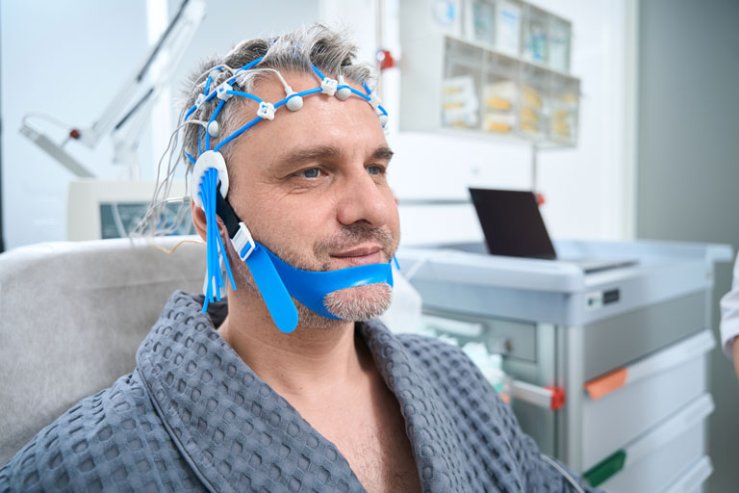
To study brain function, electroencephalography (EEG) is utilized in its modern modifications. This is a painless method that records the electrical activity of the brain and helps detect epilepsy, the consequences of trauma, cerebrovascular disorders, or other functional impairments.
Cardiac function and vascular status represent one of the primary areas of functional diagnostics. Our hospital performs:
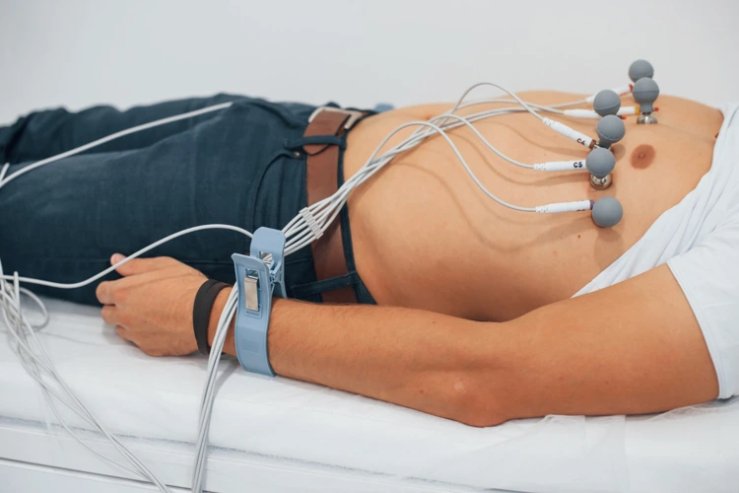
- Electrocardiography (ECG) — a baseline assessment of heart function.
- Rheography — assessment of vascular blood filling.
- Bicycle ergometry (stress ECG) — demonstrates how the heart responds to physical exertion.
- Holter ECG monitoring — 24-hour recording of the heart rhythm with variability analysis.
- Ambulatory blood pressure monitoring — monitoring of blood pressure fluctuations throughout the day.
- Echocardiography with Doppler — an «ultrasound of the heart» that provides information on the valves and blood flow.
- Doppler ultrasonography of the blood vessels of the head, extremities, aorta, and abdominal organs.
- Transcranial Doppler — examination of blood flow in the cerebral vessels.
These methods enable the diagnosis of arteriovenous malformations, vascular stenoses, venous dyscirculation, and other severe pathologies that, without timely detection, can be life-threatening.
The condition of the lungs and bronchi is assessed using:
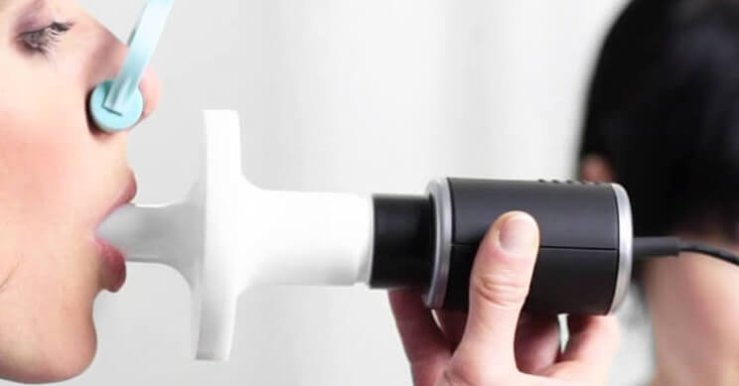
- Spirometry — measures the volume and speed of inhalation and exhalation.
- Spirometry with stress tests — helps evaluate the respiratory system's response to physical exercise or medications.
These are key methods in the diagnosis of bronchial asthma, chronic bronchitis, and other diseases of the respiratory system.
The department's physicians perform not only diagnostics but also a range of low-trauma procedures:
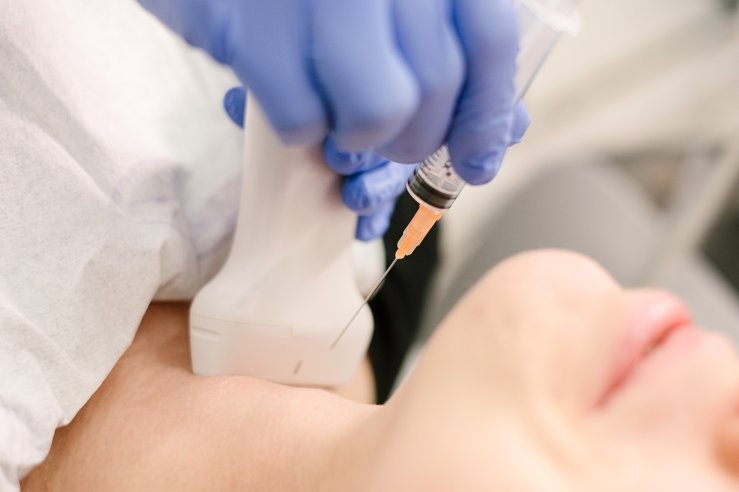
- Fine-needle aspiration biopsy — cell sampling for examination, which helps specify the nature of a mass.
- Core needle biopsy of organs and muscles — sampling a small piece of tissue for more detailed microscopic analysis.
- Drainage of the gallbladder, hepatic ducts, cysts, and abscesses — placement of a specialized tube to drain fluid and alleviate the patient's condition.
- Laser thermal ablation of benign thyroid and breast lesions — a minimally traumatic method of treating nodules without conventional surgery.
Such interventions are performed under the guidance of modern equipment and make it possible to avoid major surgery whenever feasible.
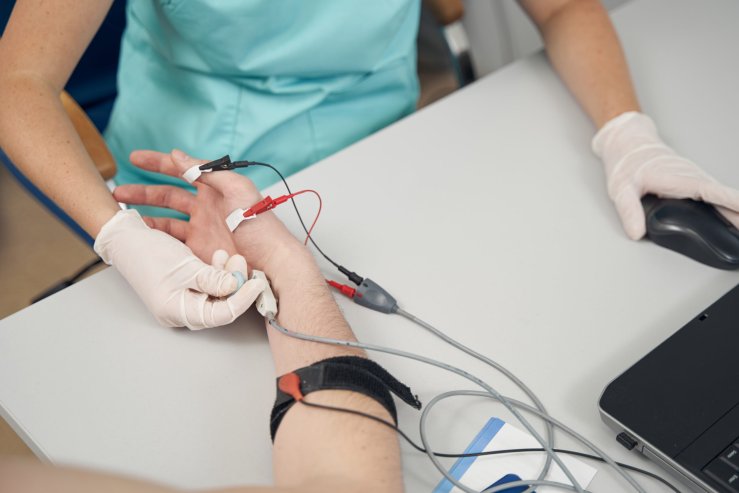
- Stimulation electroneuromyography — investigates the speed of signal conduction along the nerves.
- Needle electromyography — allows for the assessment of muscle and neuromuscular junction function.
These methods are required when there is a suspicion of polyneuropathy, myasthenia gravis, multiple sclerosis, and other diseases of the neuromuscular system.
Mechnikov Hospital offers examinations that are performed only in leading clinics:
- vascular examination of transplanted kidneys;
- assessment of vascular reactivity in diseases of the peripheral arteries;
- determination of blood flow in arteriovenous fistulas in hemodialysis patients with chronic kidney failure.
These unique capabilities ensure monitoring in the most complex clinical situations.
Functional diagnostics at Mechnikov Hospital — an opportunity to obtain the most accurate picture of how your body functions. It combines modern technologies, the expertise of physicians, and patient comfort.
Do not postpone your examination — schedule your diagnostics today to take timely care of your health.